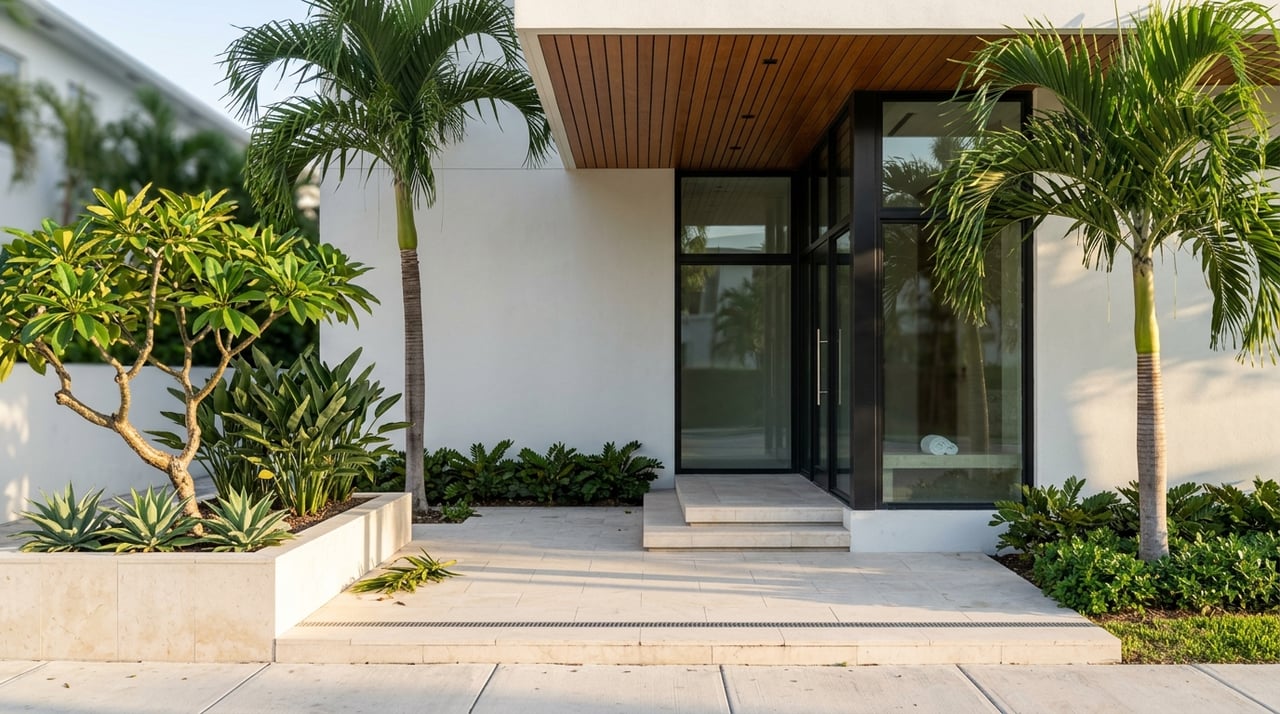
Thinking about trading snow boots for sandals sounds simple until you realize a Miami Beach move is not just about warmer weather. If you are relocating from Boston, Philadelphia, New York, or another Northeastern city, you are likely balancing lifestyle goals with real questions about neighborhoods, condos, insurance, and day-to-day logistics. This guide will help you understand what really changes when you move to Miami Beach, what to look for before you buy, and how to make the transition feel smooth and informed. Let’s dive in.
Why Miami Beach Feels Different
Miami Beach is a true climate shift, not just a softer version of the Northeast. NOAA climate normals show Miami Beach has a mean annual temperature of 76.1°F, with January averaging 73.6°F for highs and 61.2°F for lows. By contrast, January normals in Boston and Philadelphia are much colder, which makes the move feel like a complete lifestyle reset rather than a seasonal upgrade.
That warmer climate often changes how you live day to day. You may spend more time outside, walk more often, and use your balcony, terrace, or nearby beach year-round. For many Northeast buyers, that is one of the biggest reasons Miami Beach feels so appealing.
Expect a Different Seasonal Rhythm
In the Northeast, your year is often shaped by winter. In Miami Beach, the rhythm shifts toward heat, humidity, rain, and hurricane season. NOAA says the Atlantic hurricane season runs from June 1 through November 30, so planning around storms becomes part of coastal living.
The city also notes that Miami Beach is vulnerable to storms and sea level rise. Its flood information states that 93% of buildings are in the Special Flood Hazard Area, which means weather awareness is not optional. If you move here, you will want to think early about flood exposure, wind preparedness, and insurance costs.
Miami Beach Neighborhoods to Know
Choosing the right neighborhood is one of the most important parts of your move. Miami Beach is not one single experience. South Beach, Mid Beach, and North Beach each offer a distinct day-to-day feel.
South Beach Living
South Beach is the most iconic and active part of Miami Beach. City materials point to places like Lummus Park, Lincoln Road, the Miami Beach Convention Center, New World Symphony, the Bass Museum, and the Art Deco district as part of the area’s fabric. If you want energy, culture, walkability, and a front-row seat to events, South Beach often stands out.
For a Northeast buyer used to city living, South Beach can feel familiar in its convenience while still offering a much more coastal lifestyle. You can often be close to dining, public spaces, and the beach without relying heavily on a car. That can be a major plus if you want a more connected daily routine.
Mid Beach Balance
Mid Beach often appeals to buyers looking for a middle ground. The city describes the Middle Beach Loop as connecting Mount Sinai Hospital, the 41st Street commercial corridor, the Miami Beach Regional Library, the convention center, the botanical garden, City Hall, and nearby schools. That mix gives Mid Beach a practical, central feel.
If you want access and convenience without being in the middle of the busiest scene, Mid Beach can be a strong fit. Many relocators like it because it blends residential comfort with easy access to key parts of the city. It often works well for full-time living and seasonal use alike.
North Beach Pace
North Beach is presented by the city as more relaxing and welcoming, with open beach, parks, tree canopies, MiMo architecture, the Miami Beach Bandshell, and ongoing redevelopment. Buyers who want a quieter atmosphere often start here. It can feel more laid-back while still keeping you connected to the broader Miami Beach lifestyle.
If your goal is a calmer beach setting, North Beach may deserve a closer look. You may find that it offers more breathing room in your day while still giving you access to the shoreline, local parks, and city services.
Walkability Is Real Here
Many Northeast buyers worry that moving south means giving up walkability. Miami Beach offers a different version of it. The city says the Beachwalk spans the full length of the city, complimentary trolleys connect South Beach, Mid Beach, and North Beach, and about 45% of residents, commuters, and visitors walk, bike, or use transit as their primary means of transportation.
That matters because it shapes your property search. If your dream move includes morning walks, easy beach access, and less dependence on driving, Miami Beach can support that lifestyle. The walkability may not look exactly like a Northeastern downtown grid, but it is meaningful and very usable.
Condo or House? Start With Lifestyle
Miami Beach is not a classic suburban detached-home market. Census QuickFacts show an owner-occupied housing rate of 40.9%, which supports the broader picture of a market with a strong mix of condos, rentals, and second homes. If you are moving from a place where detached homes are more common, this is one of the first shifts you will notice.
Your choice between a condo and a single-family home should start with how you want to live. In Miami Beach, that decision also affects the buying process, your maintenance responsibilities, and how much due diligence you will need before closing.
What Condo Buyers Should Know
A condo can offer the kind of lock-and-leave lifestyle many relocators want. Shared amenities, managed common areas, and highly walkable locations are often part of the appeal. If you plan to split time between the Northeast and South Florida, that can be especially attractive.
At the same time, Florida condo rules now play a major role in the purchase process. State law requires milestone inspections for certain condominium and cooperative buildings that are three stories or more by the year the building reaches 30 years of age, and every 10 years after that. Florida also requires condo contracts entered after December 31, 2024 to disclose milestone inspection and structural integrity reserve study status where applicable, with current copies provided to the buyer more than 15 days before execution.
That means buying a condo is not just about views, finishes, and amenities. You also need to review building documents carefully and understand reserve funding and inspection status. For many buyers, this is where local guidance becomes especially valuable.
What House Buyers Should Know
If you prefer more privacy, more control, or a lower-density setting, a single-family home may be the better fit. Areas like the Venetian Islands and Sunset Islands are treated by the city as residential neighborhoods, which helps illustrate the difference between condo-centered living and more house-oriented options.
With a house, you may avoid some of the complexity that comes with condo associations. Still, your attention shifts to flood exposure, elevation, drainage, seawall condition, and insurance. In Miami Beach, that practical side of ownership deserves just as much attention as design and location.
Plan for a More Detailed Buying Process
Relocating buyers are often surprised by how fast Miami Beach can feel and how detailed it can be at the same time. A purchase may move quickly on the surface, but the steps behind it require care. That is especially true if you are buying from out of town and trying to make decisions on a compressed timeline.
For condo buyers, association document review, reserve information, and required disclosures can extend the process. For detached homes, the paperwork may be simpler, but condition, flood-zone review, and insurance planning still need close attention. In either case, the best approach is to stay organized and avoid rushing.
Travel and Daily Logistics Are Easier Than Many Expect
One reason Miami Beach works well for Northeast relocators is access. The city says Miami International Airport is about 16 kilometers west of Miami Beach, while Fort Lauderdale-Hollywood International Airport is roughly 25 to 30 minutes north. If you expect to travel often for work, family, or seasonal living, that convenience matters.
Once you arrive, the city also offers free trolleys, biking options, public transit, and other local transportation choices. The Resident Guide includes a New Resident Checklist and utility activation guidance, which helps make the move feel more manageable. If you are planning a full-time relocation or a second-home setup, these practical details can make a real difference.
Build the Right Local Team
A Miami Beach move works best when you approach it with a local support team. The city’s flood exposure, Florida’s condo rules, and the unique mix of waterfront and urban living mean your purchase benefits from specialized knowledge. You are not just buying square footage. You are buying into a coastal environment with specific operating realities.
A well-prepared buyer often needs:
- A Miami Beach-savvy real estate agent
- A lender comfortable with Florida condo financing
- A flood and wind insurance professional
- An inspector familiar with coastal properties
- A title or closing provider who understands condo and waterfront issues
With the right guidance, the process feels clearer and more confident. You can focus on finding the right fit instead of reacting to surprises late in the transaction.
How to Relocate With Confidence
If you are moving from the Northeast, Miami Beach can offer a compelling upgrade in climate, walkability, and lifestyle. It also asks you to think differently about weather, building rules, and property selection. The key is to balance the excitement of the move with a practical understanding of how the market works.
When you take the time to match your neighborhood, property type, and ownership goals, Miami Beach becomes much easier to navigate. Whether you picture a refined condo near the beach or a more private waterfront home, a thoughtful plan can turn a big relocation into a smooth next chapter. If you are ready to explore your options in Miami Beach, Tamara Zaikina offers personalized guidance for buying, selling, and renting with a polished, local approach.
FAQs
What is the climate like when relocating to Miami Beach from the Northeast?
- Miami Beach is much warmer year-round than Northeastern cities, with NOAA reporting January average highs of 73.6°F and lows of 61.2°F, along with a humid coastal climate and a wetter stretch from late spring through fall.
What should buyers know about hurricane season in Miami Beach?
- NOAA says Atlantic hurricane season runs from June 1 to November 30, and Miami Beach notes that much of the city is in the Special Flood Hazard Area, so storm planning, flood awareness, and insurance review are important parts of relocating.
Which Miami Beach neighborhood is best for a relocation buyer?
- The best fit depends on your lifestyle, with South Beach offering more activity and culture, Mid Beach offering a balanced and central feel, and North Beach offering a quieter pace with parks, open beach, and ongoing redevelopment.
Is Miami Beach walkable for buyers moving from the Northeast?
- Yes, Miami Beach offers meaningful walkability through the Beachwalk, complimentary trolleys, biking, and transit, and the city reports that about 45% of residents, commuters, and visitors primarily walk, bike, or use transit.
What should condo buyers know before buying in Miami Beach?
- Condo buyers should review milestone inspection and structural integrity reserve study disclosures carefully because Florida law requires these disclosures for applicable contracts entered after December 31, 2024, and certain older buildings face inspection and reserve requirements.
How far is Miami Beach from the airport for relocating buyers?
- Miami International Airport is about 16 kilometers west of Miami Beach, and Fort Lauderdale-Hollywood International Airport is about 25 to 30 minutes north, which can make travel easier for full-time and seasonal residents.