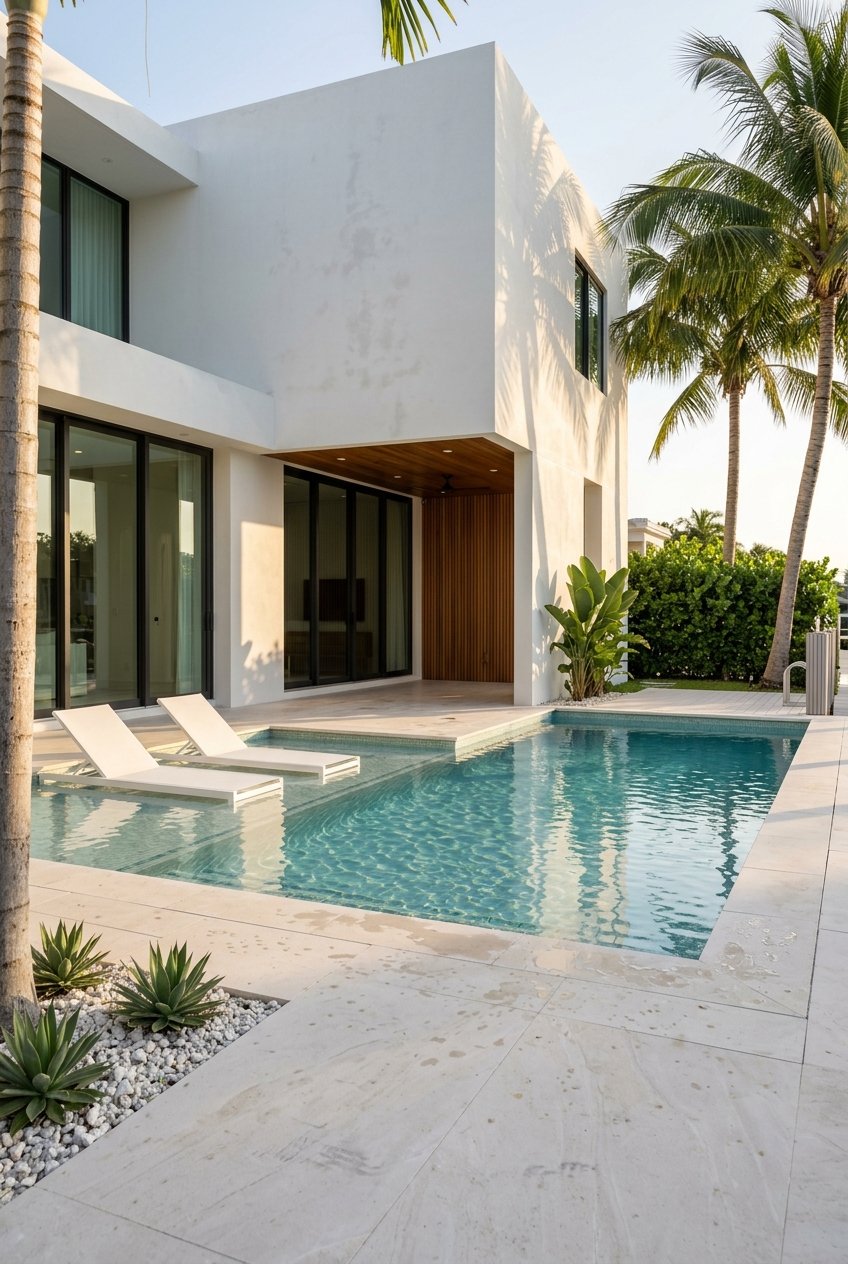
You can love the idea of Miami Beach and still wonder what daily life there actually feels like. Is it all nightlife and visitors, or can it also feel practical, relaxed, and livable when the vacation photos are out of frame? If you are considering a move, a second home, or a lifestyle change, it helps to understand how Miami Beach functions day to day. Let’s dive in.
Miami Beach Feels Bigger Than One Lifestyle
Miami Beach is a barrier-island city between Biscayne Bay and the Atlantic Ocean, and that geography shapes almost everything about living there. The city has more than seven miles of white sandy beaches, 26 parks and green spaces, and a mix of highly active areas and quieter residential pockets.
That matters because Miami Beach is not one single experience. Some parts feel intensely social and resort-like, while others feel more routine, neighborhood-based, and surprisingly easy to settle into.
Beach Access Is Part of Everyday Life
In many coastal cities, the beach is a weekend activity. In Miami Beach, it can become part of your normal routine. The city’s Beachwalk stretches about nine miles from South Pointe Park to 87th Street and stays open 24 hours a day.
Along the way, you will find features that support regular use, including restrooms, water fountains, playgrounds, and nearby parking at many entrances. The city also provides beach access mats and free manual beach wheelchairs at key access points, which makes the shoreline more usable for a wider range of residents and visitors.
If you picture early walks, bike rides, sunset strolls, or quick beach breaks between meetings, that part of the lifestyle is very real here. Miami Beach is one of those places where outdoor time can naturally work its way into your day.
Walkability Can Be Better Than Expected
One of the biggest surprises for many buyers is that parts of Miami Beach can support a lighter-car lifestyle. The city’s free trolley runs seven days a week for 15 hours a day, generally at about 20-minute frequency.
There is also Freebee, which offers free on-demand transit in Mid Beach and parts of North Beach. In South Beach, the trolley connects to places people actually use in everyday life, including grocery stores, pharmacies, libraries, parks, marinas, museums, Lincoln Road, and the convention center.
This does not mean every resident can live fully car-free. If you commute off the island often or need flexibility across South Florida, a car may still make life easier. But in the denser parts of Miami Beach, walking and local transit can cover more of your routine than many people expect.
The Beach Scene Is Managed, Not Anything Goes
Some buyers imagine beach living as casual and unstructured. Miami Beach has a more regulated public beach environment than that image suggests.
City rules prohibit alcohol and smoking on city beaches. Other items, including coolers, tents, tables, glass containers, and loud music, are also restricted.
In practical terms, that creates a beach setting that still feels active and lively, but also organized. For full-time residents, that can be a plus because it helps the shoreline remain more functional for regular use.
South Beach, Mid Beach, and North Beach Feel Different
If you are trying to picture life in Miami Beach, the first step is understanding that the island breaks into distinct lifestyle pockets. The best fit for you often comes down to the rhythm you want every day.
South Beach: Iconic and Social
South Beach is the Miami Beach most people recognize immediately. It includes major draws like Ocean Drive, Lincoln Road, the Art Deco Cultural District, and the Beachwalk, with Lummus Park anchoring the oceanfront.
This area tends to match buyers who want energy, activity, walkability, and a strong connection to the classic Miami Beach image. If you want to be close to events, culture, dining, and the beach scene, South Beach will likely be on your shortlist.
Mid Beach: A Balanced Middle Ground
Mid Beach runs roughly from 24th to 63rd Streets. Along Collins Avenue and Indian Creek Drive, you will find a blend of condo and hotel properties, along with architecture that reflects the area’s MiMo history.
For many buyers, Mid Beach reads as a balance point. It can offer access to the coastal lifestyle and amenity-rich buildings while feeling somewhat less intense than the busiest parts of South Beach.
North Beach: More Neighborhood-Oriented
North Beach often feels the most local in character. The North Beach trolley loop connects everyday destinations such as Allison Park, the Publix on 69th Street, North Shore Open Space Park, the North Shore Branch Library, Crespi Park, and Normandy Isle Park and Pool.
The city’s neighborhood association listings also identify single-family-home areas in Normandy and North Beach, along with places like Park View Island, the North Shore Historic District, and Stillwater Drive. If you want Miami Beach with a more lived-in, neighborhood-oriented feel, North Beach is worth serious attention.
Sunset Harbour: Compact and Bay-Side
Sunset Harbour is a smaller bay-side pocket bounded by Alton Road, Biscayne Bay, Dade Boulevard, and Sunset Lake. It offers a different expression of Miami Beach than the oceanfront strips many people picture first.
This is one of the areas where Miami Beach can feel more compact and locally scaled. For buyers who like the idea of being in Miami Beach but want a bay-side setting with a neighborhood feel, it can be an appealing option.
Condo Living Is a Big Part of Miami Beach Life
Miami Beach is strongly shaped by condominium living. The city’s owner-occupied housing unit rate was 38.7% in the 2019-2023 American Community Survey, and the city also maintains dedicated condominium requirements information.
That does not mean homeownership is rare. It means that in many parts of Miami Beach, condo ownership is the default housing format rather than the exception.
For many buyers, that works well. A condo can offer amenities, a lock-and-leave lifestyle, and beach access without the upkeep that comes with a yard or a larger detached property.
What Condo Buyers Need to Know
In Miami Beach, condo living is not only about views, finishes, and amenities. Building operations and association governance matter too.
Florida law now requires milestone inspections for qualifying condominium and cooperative buildings that are three habitable stories or more. These inspections are tied to a building reaching age 30 and then every 10 years after that. The law also requires structural integrity reserve studies for qualifying residential condominium buildings three stories or higher.
For buyers, that means due diligence matters. When you are comparing buildings, it is important to understand not just the residence itself, but also the building’s reserves, inspection timeline, and overall maintenance picture.
Single-Family Homes Exist, but They Are More Selective
If your ideal home is detached, private, and more traditional in layout, you can still find that in Miami Beach. The key is knowing that single-family options exist in specific pockets rather than across the island as a whole.
City neighborhood association listings point to house-oriented areas in Normandy and North Beach, along with enclaves such as Park View Island and Stillwater Drive. Mid Beach also includes more residential pockets such as Bayshore and Belle Isle.
That makes the search for a house more selective than the search for a condo. If privacy, space, or a more classic neighborhood feel matters most to you, the right strategy is usually to narrow your target area early.
The Seasons Shape the Lifestyle
Miami Beach is beautiful year-round, but it does not feel the same in every season. The National Weather Service describes South Florida as having two predominant seasons: a warm, humid summer with frequent showers and thunderstorms, and a cooler winter with lower humidity and less frequent precipitation.
The wet season typically runs from May 15 to October 15. Atlantic hurricane season runs from June 1 to November 30, and July and August are often the hottest months, with heat index values that can frequently reach or exceed 100 degrees.
In daily life, that means the drier months often feel easier and more relaxed for outdoor routines. Late spring through early fall asks a bit more of you, especially when it comes to heat, afternoon storms, and storm-season awareness.
The Lifestyle Is Not Only About the Beach
People often move to Miami Beach for the coastline, but many stay because the lifestyle has more layers than that. The city keeps arts, events, and public culture woven into everyday life.
Culture Crawl offers free admission to exhibits, screenings, and performances every third Thursday from October through July. Miami Beach’s cultural partners include the Bass Museum, New World Symphony, Miami Beach Botanical Garden, Miami City Ballet, the Miami Design Preservation League, and the Wolfsonian-FIU.
This gives the city a rhythm that goes beyond sand and sunshine. If you value a mix of beach time, design, music, public events, and walkable activity, Miami Beach offers that combination in a very natural way.
Lincoln Road Anchors Daily Routine
If there is one place that shows how Miami Beach blends lifestyle and convenience, it is Lincoln Road. The city describes it as a pedestrian mall, and it serves as a clear example of how retail, dining, and events can be part of everyday movement rather than separate destinations.
Its year-round Sunday farmer’s market adds another routine-life layer. It also connects directly with City Hall, the Miami Beach Convention Center, and New World Symphony, which reinforces how pedestrian life works here in practice.
For many residents, this is the side of Miami Beach that feels most useful. It is not just scenic. It is functional.
So, What Is It Really Like?
Living in Miami Beach means choosing a coastal lifestyle with real texture. You get strong beach access, meaningful walkability in many areas, a wide range of condo options, and distinct neighborhood pockets that can feel either social, balanced, or more local depending on where you land.
It also means accepting the tradeoffs that come with island living. Weather, seasonal shifts, and condo governance are part of the picture, and detached homes are more limited than many out-of-town buyers expect.
For the right buyer, though, that balance is exactly the appeal. Miami Beach offers a version of coastal living that can feel polished, practical, active, and deeply tied to place.
If you are exploring a move, a second home, or a sale in Miami Beach, working with a local advisor can help you match the right building or neighborhood to the way you actually want to live. To start that conversation, connect with Tamara Zaikina.
FAQs
What is daily life like in Miami Beach for full-time residents?
- Daily life in Miami Beach can include beach access, walking, parks, local dining, cultural events, and transit options like the free trolley, depending on which part of the city you choose.
What is the difference between South Beach and North Beach in Miami Beach?
- South Beach is more iconic and social, while North Beach tends to feel more neighborhood-oriented, with trolley access to parks, a library, grocery shopping, and other everyday destinations.
Is Miami Beach walkable for buyers who want less car dependence?
- In denser parts of Miami Beach, walkability can be strong, and the city’s free trolley and Freebee service make it possible to handle more daily errands without driving every time.
What should condo buyers know about living in Miami Beach?
- Condo buyers should pay attention to more than views and amenities, including building reserves, milestone inspections, and structural integrity reserve study requirements under Florida law.
Are there single-family homes in Miami Beach?
- Yes, but they are more limited and concentrated in specific pockets such as parts of North Beach, Normandy, Park View Island, Stillwater Drive, and some residential areas of Mid Beach.
What is the weather like when living in Miami Beach year-round?
- Miami Beach has a cooler, drier winter and a warm, humid summer with frequent showers and thunderstorms, and residents also need to stay aware of hurricane season from June 1 to November 30.